
Skip to content
CWCconnectwithcarlos.tech
Contact

Let’s talk.

Choose how you’d like to get in touch.

Question 1 of 7

What needs to work better?

Choose all that apply.

Return homeFive disciplines. One operation.

SELECTED CLIENT WORK // FIVE DISCIPLINES

Restaurant Systems in Practice

An unexpected charge. A menu price that does not carry through. An inquiry that reaches the wrong inbox.

The visible problem is often only part of the story. These client engagements show how account records, software connections, digital information, and team workflows were examined together—and what changed when the underlying issue was addressed.

Five cases connect to the five disciplines of this practice. A sixth shows how language access can affect the entire guest experience.

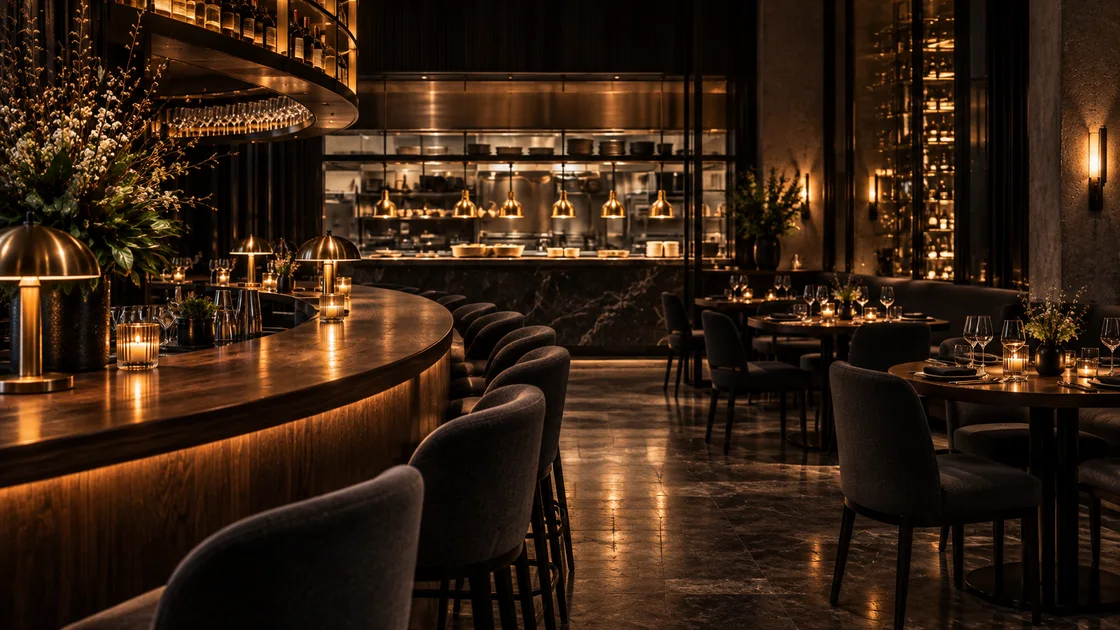
A walnut restaurant bar, dining room and service pass before service.

01 / 05 · POS, Payments & Integrations

Business Multi-unit fast-casual operator

Returned equipment. Charges that stayed.

Historical charges refunded. More than $500 in recurring monthly charges removed.
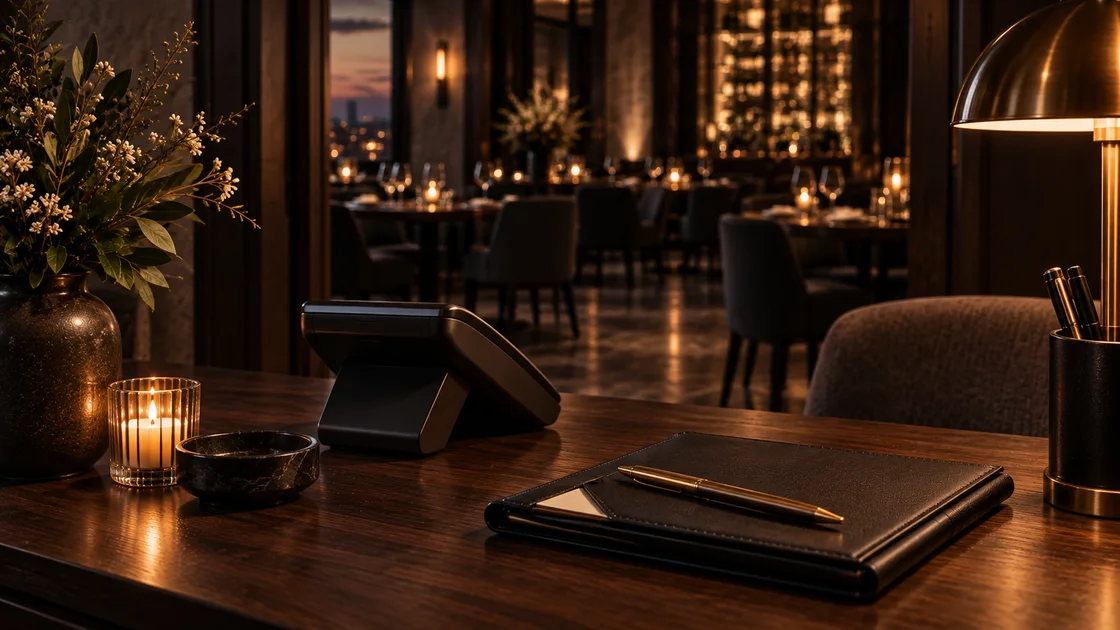
Payment equipment beside a closed review folder on a restaurant desk.

The situation

Payment-processing costs remained higher than expected after legacy handheld equipment had been returned. The operator needed to understand why the account was still carrying charges for equipment no longer in use.

What the evidence showed

Processing statements and return records showed a mismatch. Recurring charges remained associated with the Merchant Identification Number (MID), the account identifier used by the processor. The equipment return had not been fully reconciled with the billing records.

What changed

Return documentation was used to substantiate the discrepancy. The merchant profile and billing records were corrected, and the processor reviewed the historical charges against the documented return.

The result

The merchant received a refund for documented overpayments and eliminated more than $500 in recurring monthly charges.

Technical scope
Statement review, merchant-account reconciliation, and equipment lifecycle management.
03 / 05 · Conversion

Business Fine-dining venue with private dining and catering

The inquiry arrived. The handoff did not.

Clearer ownership and faster follow-up for event inquiries.

Linen and place settings prepared for a private gathering.

The situation

The private-event page was attracting visitors, but fewer inquiries were turning into bookings. Management questioned the quality of incoming leads.

What the evidence showed

The inquiry path and internal workflow were creating their own obstacles. A lengthy form made it harder to begin, while messages from several channels reached a shared inbox without clear ownership. Weekend coverage left further gaps in follow-up.

What changed

The intake was reorganized around the information needed to assess an event. Response responsibilities were clarified, and an automated acknowledgment set expectations without promising availability or confirming a booking.

The result

Follow-up became faster and more complete, with less staff time spent organizing fragmented information. Inquiry-to-booking conversion improved after the workflow change.

Technical scope
Structured intake, inquiry assignment, and response workflow.

04 / 05 · Websites & Digital Experience

Business Multi-unit casual-dining operator

A direct-ordering channel guests could reach on mobile.

More responsive mobile access supported a return to direct ordering.

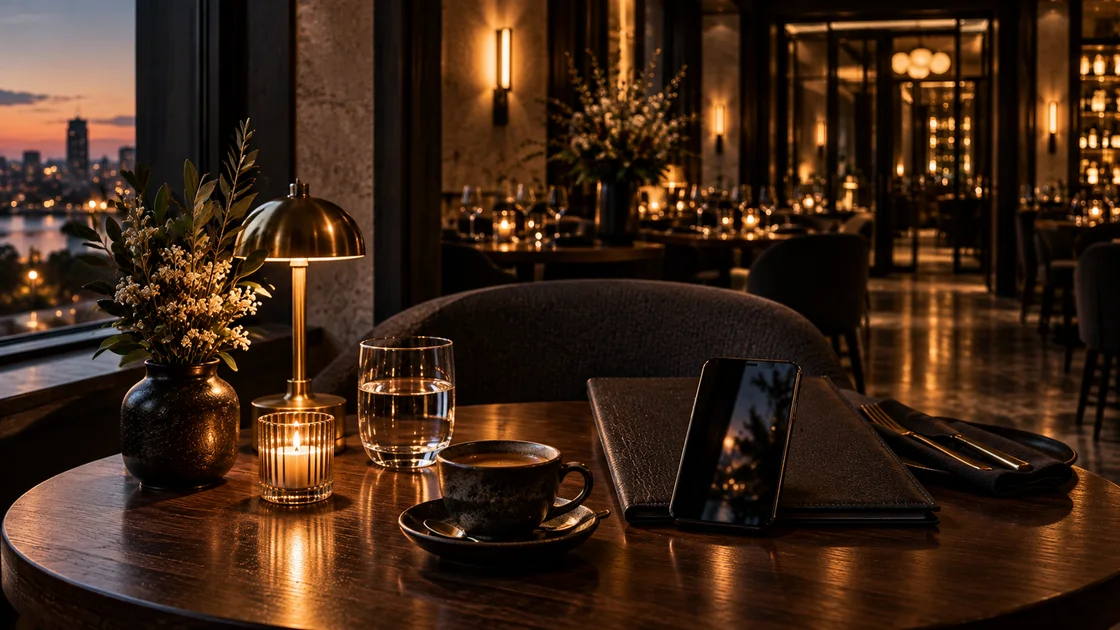
A phone beside a coffee and a closed menu at a restaurant window table.

The situation

The restaurant group introduced direct ordering, but guests were still leaving its mobile website for third-party marketplaces. Having a direct channel had not made it easy to use.

What the evidence showed

Mobile testing exposed slow loading and delayed responses around the ordering path. Guests encountered difficulty reaching the action the website was meant to support.

What changed

The website was updated to reduce loading overhead and make menus and ordering easier to reach. Mobile responsiveness and the ordering entry path were checked after the changes.

The result

The site loaded faster and responded more reliably on mobile. Order volume shifted toward the direct channel after the improvements, reducing reliance on commission-based marketplaces.

Technical scope
Front-end performance, mobile navigation, and direct-ordering access.

05 / 05 · Discovery across Google, Maps & AI

Business Independent restaurant and bar

One restaurant. Conflicting information online.

Duplicate listing issues addressed and restaurant information made more consistent.

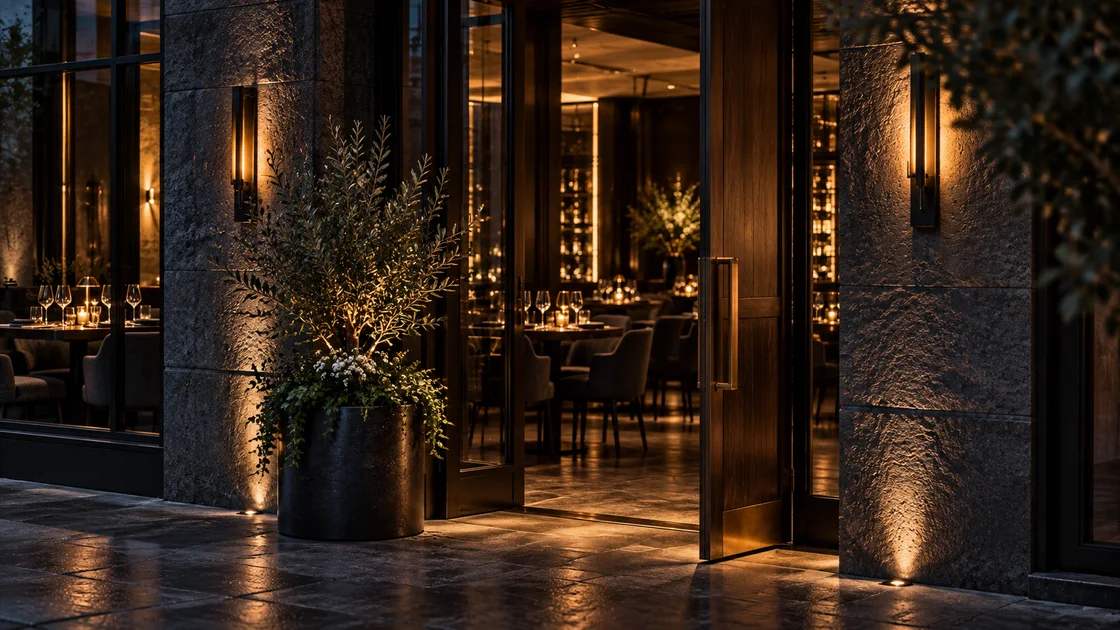
An open restaurant doorway with warm light at dusk.

The situation

Local search traffic and event inquiries had declined. The operator suspected an algorithm change, but the restaurant's public information needed closer examination.

What the evidence showed

A duplicate Google Business Profile carried outdated hours and broken booking links. The website also lacked structured data: a machine-readable description connecting the restaurant with its menu and other key information.

What changed

The duplicate-profile issue was resolved, key listing information was corrected, and structured data was added to the website. Menu and booking destinations were checked for consistency.

The result

The work corrected conflicting public information and provided clearer menu references for search systems, including systems that use artificial intelligence (AI). The verified result was improved information consistency—not a guarantee of rankings or how every platform would display it.

Technical scope
Business listing consistency, structured data, and guest-action links.

ACROSS THE DISCIPLINES // BILINGUAL GUEST ACCESS

Business Independent operator serving English- and Spanish-speaking guests

The same next step, in either language.

Spanish-speaking guests could complete the booking path online.

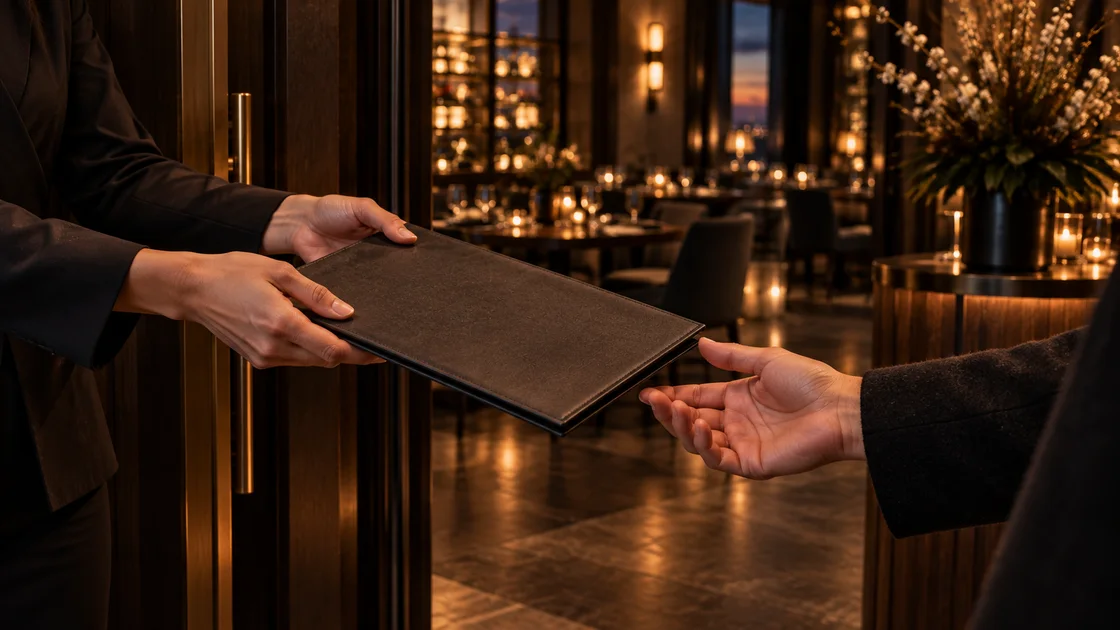
A member of the service team welcomes a guest with a menu.

The situation

Spanish-speaking guests often called the host stand rather than finishing a reservation online. During busy service, those calls added work that the website was intended to handle.

What the evidence showed

The translated experience was not equivalent to the English one. Menu language was unnatural, and the automated translation setup interfered with reservation controls and language navigation.

What changed

The automated translation approach was replaced with human-reviewed language and a dedicated Spanish navigation path. The reservation experience was tested in both languages on mobile.

The result

Spanish-speaking guests could complete the reservation path online. The improved experience reduced reliance on calls to the host stand and gave the team a more usable bilingual digital channel.

Connected disciplines
Websites & Digital Experience; Conversion; Discovery across Google, Maps & AI.
Technical scope
Localization, language navigation, and reservation compatibility.

Recognize a similar problem?

You do not need to know which system is responsible before starting a conversation. Tell me what is happening in your restaurant, what you have already tried, and what needs to work better.

Identifying details are omitted to protect client confidentiality. Results describe individual engagements, not guarantees for another business.